Pink Daisy Embroidery Design: A Craft Fair Darling?
First Impressions: Soft, Elegant, and Versatile
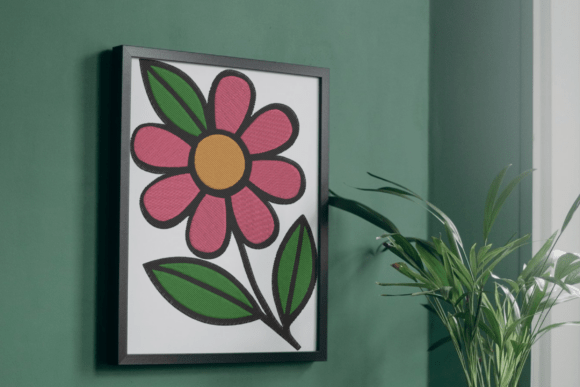
As an embroidery designer preparing for a weekend craft fair, the Single Pink Daisy Embroidery Design immediately strikes me as a soft, elegant floral option. It reads as timeless, with a delicate charm that could appeal to a wide range of customers. It’s not overly bold or modern, but rather carries a gentle, decorative quality that suggests farmhouse or cottagecore aesthetics. This makes it a strong contender for items like tea towels, tote bags, and embroidered patches—products that sell well at craft fairs and in handmade shops.
Performance on Different Craft Fair Products
Let’s break down how this design performs across the most common handmade products:
- Tote Bags: A single daisy works beautifully as a central accent on a tote bag. It adds a touch of handmade elegance without overwhelming the bag’s surface. Ideal for boutique shoppers looking for subtle charm.
- Aprons: Placed on a pocket or chest area, the daisy adds a soft focal point that enhances the apron’s handmade appeal. Especially attractive for kitchen-themed or gardening aprons.
- Tea Towels: The daisy shines here. On a textured or linen-like fabric, it gives a rustic, artisanal feel that Etsy sellers and craft fair buyers love.
- Caps: Depending on the size and curvature of the cap, this design may need to be scaled down. Caution is advised on curved surfaces—always test on a sample first.
- Embroidered Patches: As a patch, the daisy becomes a wearable piece of art. It’s perfect for pinning to denim jackets, bags, or hats—especially appealing to younger, trend-conscious buyers.
- Fabric Pouches: Works well as a centered design on small pouches, adding visual interest without complicating the production process.
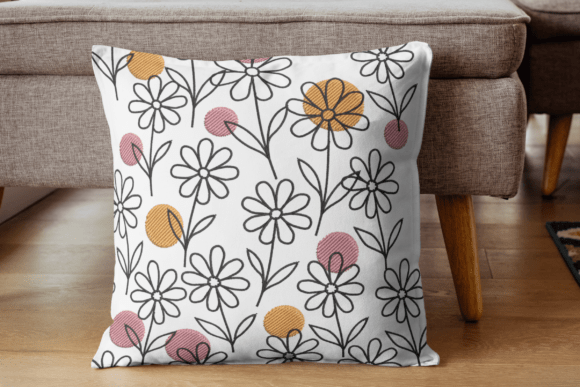
- Pillow Covers: If used as a repeated or grouped element, the daisy can become a charming pattern. As a single motif, it adds a minimalist, curated touch.
Practical Selling & Production Points
From a production standpoint, the Single Pink Daisy Embroidery Design is a smart choice for batch embroidery. It's simple enough to stitch quickly, yet detailed enough to stand out. However, there are a few key points to consider:
- Visibility: At a glance, the daisy is recognizable and attractive. It doesn’t require explanation, which is crucial at a busy craft fair booth.
- Size Flexibility: Works well as both a small accent and a larger focal point, though care should be taken when scaling down to ensure clarity.
- Photography: For Etsy listings or digital mockups, this design photographs beautifully. The pink hue pops on light backgrounds, and even on darker fabric, the contrast can be striking.
- Batch Production: Because it’s a single motif, it lends itself well to fast, repeatable embroidery runs—ideal for small shop owners looking to stock up quickly.
Points to Watch: Where the Design Needs Care
While the design is elegant, there are some practical considerations:
- Dense Stitch Areas: Be cautious with thread tension on densely stitched petals—especially on textured or thick fabrics like towels.
- Small Details: Any tiny outlines or fine veins in the petals may get lost on rougher fabrics or when scaled down too small.
- Dark Fabric Challenges: If using on black or navy items, ensure the pink thread contrasts well and doesn’t blend into the background.
- Curved Surfaces: Caps and curved pouches may distort the design slightly. Always test on a sample before mass production.
Impact on Visual Appeal and Customer Engagement
The Single Pink Daisy Embroidery Design enhances the visual appeal of any product it touches. Its softness makes it approachable, and its floral nature taps into a universal love for nature-inspired motifs. At a craft fair, where attention spans are short and visual impact is key, this design helps handmade items stand out without being overwhelming.
It also contributes positively to brand consistency. If you’re building a line of floral-themed products, this daisy can become a recurring motif across your tote bags, aprons, and patches—helping customers recognize your brand instantly.
Designer Notes: Test, Adjust, and Verify
Before launching this design into full production or listing it online, here are some critical steps every embroidery designer or small shop owner should take:
- Test on Scrap Fabric: Always run a test on the same fabric you plan to use for production. This reveals how the daisy handles texture and tension.
- Check Thread Contrast: Ensure the pink thread stands out on your chosen fabric color—especially if using dark or patterned materials.
- Review Spacing: Confirm that the petals and leaves are spaced properly to avoid bunching or distortion.
- Confirm Hoop Size: Make sure the design fits your hoop without distortion. If not, scaling or repositioning may be necessary.
- Inspect Stitch Density: Dense areas may require a lighter stitch count or a different stabilizer to prevent puckering.
- Use the Right Stabilizer: For thick or textured fabrics, a medium-weight tear-away or cut-away stabilizer is often best.
- Create a Real Mockup: Don’t rely solely on digital mockups. Create a physical sample to see how the design looks in person and how it photographs.
- Compare Fabric Colors: Try the daisy on a few different fabric shades to see which gives the best contrast and visual appeal.
- Confirm Commercial Licensing: Since this is a machine embroidery design, always check the licensing terms before selling finished products.
Final Thoughts: A Design Worth Embroidering
In the world of craft fairs and handmade markets, the Single Pink Daisy Embroidery Design is a quiet winner. It’s versatile, elegant, and easy to produce in batches—making it ideal for Etsy sellers, boutique makers, and creative entrepreneurs. Whether used on a market tote, embroidered patch, or linen tea towel, this design adds value, charm, and a handmade touch that customers appreciate.
Just remember to test, adjust, and photograph it well—because even the prettiest daisy needs a little care to bloom its best on fabric.