Stripe Tie Pocket Applique Embroidery: A Designer’s Real-World Review
First Impressions: Clean, Classic, and Versatile
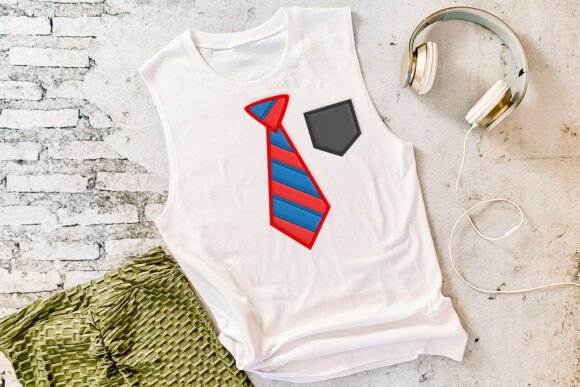
When I first opened the file for the Stripe Tie Pocket Applique Embroidery, I was struck by how clean and intentional the design feels. It’s got that timeless charm of a tailored necktie—stripes done in a balanced rhythm, a faux pocket stitched with care, and a layout that reads as both decorative and wearable. It doesn’t scream for attention, but it definitely earns a second glance. This isn’t a flashy design; it’s one that quietly elevates a finished product.
The applique technique gives it dimension without overloading the eye. The satin-stitched edges frame the stripes nicely, and the pocket detail adds a subtle nod to classic menswear. It’s a design that feels appropriate for a range of projects—from baby clothes to boutique accessories—without feeling too stiff or overly formal.
Real-Life Use: From Baby Onesies to Custom Tote Bags
I tested the Stripe Tie Pocket Applique Embroidery on a few different materials to see how it would hold up in real-world scenarios. Starting with a newborn onesie, I used the smallest size as suggested. It stitched cleanly on a light cotton knit, with minimal puckering when I used a lightweight stabilizer. The detail held up well, even on such a small scale. It's a great option for Etsy sellers offering personalized baby gifts—especially for those looking to add a touch of sophistication without going overboard.
Next, I moved to a heavier project: a custom tote bag made from 10oz cotton canvas. The larger size of the design filled the space nicely without looking crowded. The fill stitches were consistent, and the applique fabric stayed securely in place after trimming and a quick wash test. This would make a charming detail on boutique-style totes or even aprons for a handmade shop. The stripes read clearly, and the pocket detail didn’t get lost in the texture of the canvas.
Where to Use It Carefully: Know the Limitations
While the Stripe Tie Pocket Applique Embroidery is versatile, it does have its limits. I wouldn’t recommend it for stretchy fabrics like jersey or spandex without extra stabilizer and possibly a lightweight fusible interfacing. The satin-stitched lines can pucker on unstable materials, especially around the tighter corners of the tie shape.
Dark fabrics also require some attention. The lighter thread colors used in the stripes can lose contrast on black or navy backgrounds, making the design appear flatter than intended. If you're using it on a dark garment, test the thread colors first or consider switching to a higher-contrast palette.
Curved surfaces like baseball caps can be tricky too. The tie shape is long and narrow, so placement on a curved panel needs to be carefully adjusted to avoid distortion. It’s not impossible, but it’s worth doing a sample stitch-out on a cap blank before committing to a final product.
Impact on Product Value and Customer Appeal
From a business standpoint, this embroidery design has strong potential. It adds a handmade, personalized touch that Etsy sellers and craft entrepreneurs love. The design’s classic look gives it broad appeal—parents looking for a unique baby gift, groomsmen looking for custom caps, or boutique owners sourcing embroidered tote bags can all find a place for it.
What I noticed most was how the design elevated the perceived value of the finished product. A plain tote bag with this applique suddenly feels boutique-level. That’s huge for small business owners trying to stand out in a crowded handmade market. It’s not just a decoration—it’s a branding element that adds polish and intention.
From a customer perspective, the design feels familiar but not overused. It’s not something you see on every baby onesie listing. That uniqueness can help your product stand out in search results and catch the eye of buyers scrolling through Etsy or craft fairs.
Designer Notes: What to Check Before Stitching
Before jumping into a full production run or listing this as part of your digital embroidery offerings, there are a few practical checks to make:
- Test on scrap fabric—especially if you’re using a new material or a textured fabric like denim or felt.
- Review stitch density—make sure the satin and fill stitches are tight enough for your fabric type but not so dense they cause puckering.
- Confirm hoop size—don’t assume the largest size will fit your machine. Check hoop dimensions before stitching on a final product.
- Inspect small details—the pocket and tie lines are delicate, so make sure they’re readable on your chosen size.
- Test thread color contrast—especially on dark or patterned fabrics.
- Use the right stabilizer—for best results, use a medium-weight tear-away or cut-away depending on fabric stretch.
- Check licensing—if you plan to sell finished items or include this in a digital embroidery bundle, make sure the file allows for commercial use.
I also recommend doing a black and white mockup to see how the design reads without color influence. Sometimes the visual balance changes when color is stripped away, and you want to make sure the design still makes sense in grayscale.
Final Thoughts: A Solid Choice for Practical Embroidery Projects
The Stripe Tie Pocket Applique Embroidery isn’t flashy, but it doesn’t need to be. It’s a dependable, well-constructed design that works across a range of products—from baby clothes to custom apparel and boutique accessories. It stitches cleanly, holds up well on different fabrics with proper prep, and adds a touch of class without being too formal.
For embroidery designers, small shop owners, and Etsy sellers, this is a design worth adding to your rotation. It’s the kind of embroidery file that can quietly become a staple—something you reach for when you want to elevate a product without overwhelming it. Just make sure to test it thoroughly before production and keep an eye on fabric and thread choices to ensure the best results.